
INGLÉS
MORE ABOUT.... CONDITIONALS!
Watch the videos above. Click HERE, too.
Conditionals with.... JOHNNY GRAMMAR (British Council):
LearnEnglish Teens - British Council - Conditionals - HERE
Sad Am I, And Sorrow Laden
This is an old Gaelic tune from The Celtic Lyre by Henry Whyte. Whyte was a collector of Gaelic folktunes around the end of the 19th century.. It is from the Hebrides. The Celtic Lyre indicates the tune was written by a "young gael on leaving home."
LYRICS
Sad am I and sorrow laden,
for the maid I love so well,
I adore thee, dearest maiden,
but my thoughts I dare not tell.
Ben of peaks the clouds that sever,
oft thy steeps have wearied me,
Must I leave thy shade for ever?
Then farewell, farewell to thee.
2nd year ESO students are going to learn this song and be recorded as they sing it (Celtic nations project - click HERE and HERE to find out about other songs which 2nd ESO students are going to learn and sing, and HERE - Vocabulary about the Celts and their world by Ana García, and HERE and HERE - Kahoot about the Celts)
International Women's Day (Reading+Listening)
1st READ the text HERE (about International Womens’ Day)and answer the questions.
2nd WATCH and LISTEN TO the videos above (about Modern Suffragettes) and fill in the blanks HERE.
3rd WATCH AND LISTEN TO the advert "EQUALS" and fill in the gaps HERE.
Window on Britain
A series of very interesting videos about Britain for ESL learners.
HOLIDAYS IN BRITAIN (Questions about the second video)
What are the three first questions that the presenter asks about the British and their holidays?
When does she go on holiday?
How long is most people’s break? Can they choose when they take it?
How many holiday trips do British people make every year?
Which country is the number one choice for many people? (to go on holiday)
Why do so many British people go abroad for their holidays?
How did people travel from big cities to seaside towns in the 19th century?
What is the distance between Brighton and London?
Why do people go to Brighton?
Where do people stay there?
How many British people spend their holidays in Devon or Cornwall?
Where are Devon, Cornwall?
Where are the Lake District and Scotland, which are also very popular?
Is London a popular destination among British holidaymakers?
Many British people like activity holidays. What do they consist of?
KEY HERE
Questions about the video LEISURE, HERE. (Key HERE)
Questions about the video HEALTH (and key) - HERE
AULD LANG SYNE
"Auld Lang Syne" is a Scots poem written by Robert Burns in 1788 and set to the tune of a traditional folk song. It is well known in many countries, especially in the English-speaking world, its traditional use being to bid farewell to the old year at the stroke of midnight on New Year’s Eve. By extension, it is also sung at funerals, graduations, and as a farewell or ending to other occasions.
The song’s Scots title may be translated into standard English as "old long since", or more idiomatically, "long long ago", "days gone by" or "old times".
2 ESO students are going to learn and then be recorded while singing this traditional song (Project Celtic countries - Click HERE and HERE to find out about other songs which 2nd ESO students are going to learn and sing, and HERE - Vocabulary about the Celts and their world by Ana García, and HERE and HERE - Kahoot about the Celts).
We will also take pictures of the students holding the "bye bye symbols" above in their hands and then make a video with music and photos. Soon on this blog.
Exercise on relative pronouns + American /British English
What can I do to make you love me? (The Corrs)
2 ESO A students are going to sing and draw the song "What can I do to make you love me?", by The Corrs (Project Celtic Countries, click HERE and HERE to find out about other songs which 2nd ESO students are going to learn and sing, and HERE - Vocabulary about the Celts and their world by Ana García, and HERE and HERE - Kahoot about the Celts) - The Corrs (number 16 on this list of best Celtic bands and artists)
Activity about the song - HERE.
Very soon on this blog!!!!!!!
SOME MONOLOGUES - B1 Galician EEOOII
Monologue EATING OUT - HERE
Monologue A PLACE TO LIVE - HERE
Monologue CHURCH/CIVIL WEDDINGS - HERE
Monologue TYPES OF JOBS - HERE
Monologue WAYS OF LEARNING - HERE
Monologue THE BEST CLIMATE - HERE
Monologue SECRETS - HERE
LAZA ENTROIDO
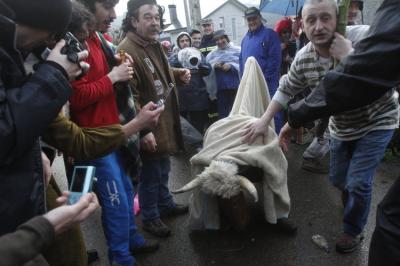
Click HERE to watch a video about this famous Carnival and then answer the following questions :
- Carnival takes place before................(Christian season of fasting)
-What are these days about?
- Peliqueiros run through the streets doing what?
- What is the origin of peliqueiros?
- Peliqueiros go from house to house doing what?
- What do townspeople burn?
- What does everybody arm themselves with during the "farrapada"?
- What is the Morena’s job?
- What do you need for the next battle?
- Do we know much about the origins of Laza traditions?
.................................................................................
KEY
- Lent -Partying- Whipping people- 16th century tax collectors- Eating and drinking people’s food- Hay and wood (to symbolize purification)- Muddy rags- To lift up women’s skirts with his horns- Dirt and ants- Their origins are obscure and predate Christianity
Love is all around (Saint Valentine's Day)
Click HERE to do an exercise about Love is All Around by Kate78.
Love is also in the air in..... Beauty and the Beast. Click HERE. Exercise by Francoisblake - HERE. Song translated into Galician language - HERE.
And of course.... In OT!!!!!! (Let’s translate the winning song into English!). Click HERE, too. Tu Canción / Your Song - Video with subtitles in English HERE.
Vocabulary about love - BINGO CARDS
Words: ARROW - BALLOONS - BOW - CAKE - CARD - CHOCOLATES - CUPID - DATE - DOVES - FLOWERS - GIFT - HEART - HUG - KISS - LOVE - POEM - RINGS - ROSE - TEDDY BEAR
B2 Listening Comprehension Practice

Click HERE (examenglish.com) - HERE (inglesenaviles.blogspot.com) - HERE (cristinacabal.com) - HERE (learnenglish.britishcouncil.org)
What's the weather like?
All the activities - HERE
Vocabulary 1 - HERE
Vocabulary 2 - HERE
Vocabulary 3 - HERE
Listen to the weather forecast - HERE
More activities:
Flashcards HERE
What’s the weather like? (Drag the weather symbols) - HERE
Worksheets weather HERE
Listening Ali and the Magic carpet - HERE
Mr Morton - Past Simple Song
Click here to do an activity.
-ED pronunciation practice
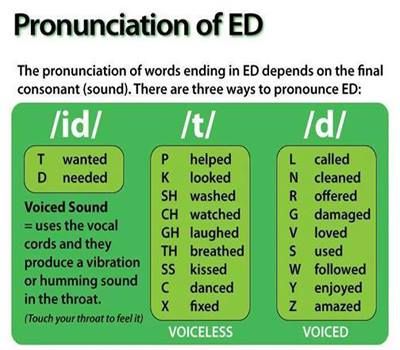
Click HERE, HERE, HERE, HERE, HERE, HERE, HERE , and clicknlearn.net (4 ESO - Intermediate, the -ed suffix)
THE CUT (A documentary about female genital mutilation)
Exercise and key HERE
Thank you very much, Miguel, for sharing the link!
What does he/she look like?
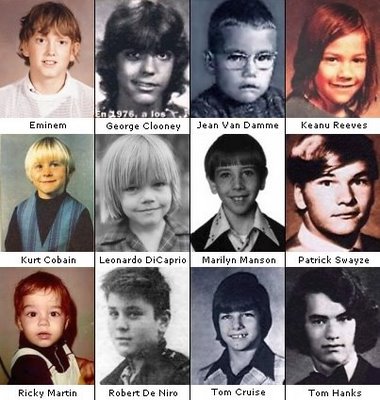
If you want to know how to describe a person’s physical appereance in English, click here.
Click here, here, here , here , here, here and here as well.
HERE - Vocabulary presentation (Thanks a lot!!!! Ana!)
QUESTION TAGS
Issuu above or HERE.
Infinitive and gerund
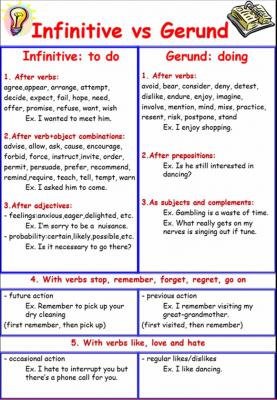
Click HERE
Photo above - HERE, as well.
Johnny Grammar (British Council) - Click HERE
Infinitive and gerund - Songs - HERE
Abbie's bullying story
Activities about the video above and transcript HERE
Say "no" to bullying : Click HERE
Writing about bullying - Click HERE